
Sand Testing Equipment
Showing 1–16 of 39 results
-
Sale!
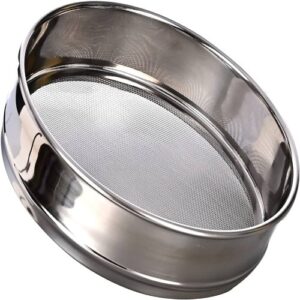
GL Sieve analyzer 12” inches in Bangladesh
Original price was: 5,000.00৳ .4,800.00৳ Current price is: 4,800.00৳ . Add to cart -
Sale!

Laboratory Test Sieve Stainless Steel – 200mm
Original price was: 1,800.00৳ .1,500.00৳ Current price is: 1,500.00৳ . Add to cart -
Sale!
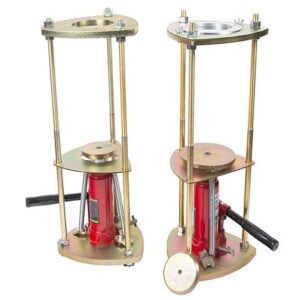
Sample Ejectors in Bangladesh
Original price was: 70,000.00৳ .69,000.00৳ Current price is: 69,000.00৳ . Add to cart -
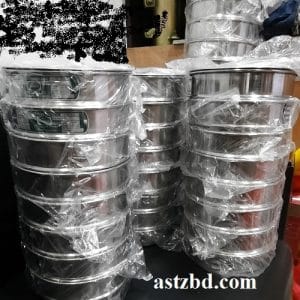
Sieve Set 200mm for Sand FM 8 Pcs Per Set 200mm
12,000.00৳ Add to cart -
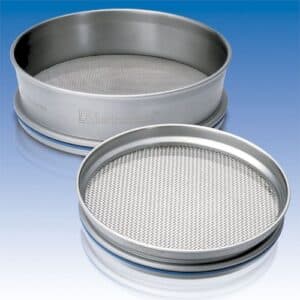
Test Sieve Dai-300mm (12″) Micron 0.850
5,000.00৳ Add to cart -

Test Sieve Dai-300mm (12″) Micron 1.00mm
5,000.00৳ Add to cart -

Test Sieve Dai-300mm (12″) Micron 1.18mm
5,000.00৳ Add to cart -
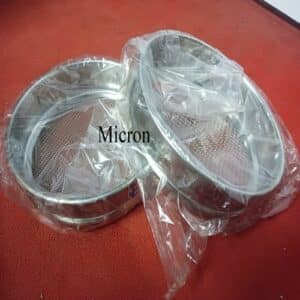
Test Sieve Dai-300mm (12″) Micron 1.40mm
5,000.00৳ Add to cart -
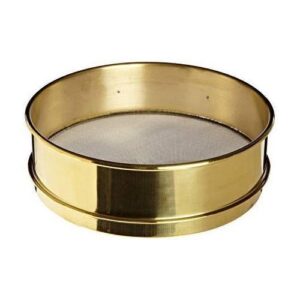
Test Sieve Dai-300mm (12″) Micron 1.50mm
5,000.00৳ Add to cart -
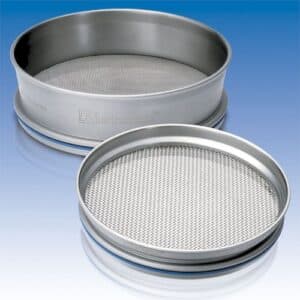
Test Sieve Dai-300mm (12″) Micron 1.70mm
5,000.00৳ Add to cart -

Test Sieve Dai-300mm (12″) Micron 14mm
10.00৳ Add to cart -
Test Sieve Dai-300mm (12″) Micron 16mm
10.00৳ Add to cart -

Test Sieve Dai-300mm (12″) Micron 19mm
10.00৳ Add to cart -
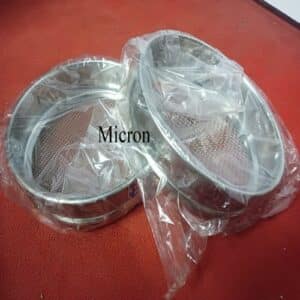
Test Sieve Dai-300mm (12″) Micron 2.00mm
5,000.00৳ Add to cart -
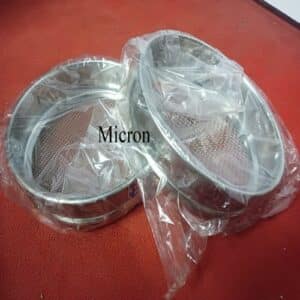
Test Sieve Dai-300mm (12″) Micron 2.80mm
5,000.00৳ Add to cart -
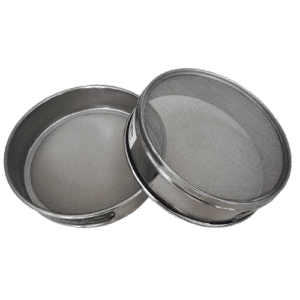
Test Sieve Dai-300mm (12″) Micron 25mm
10.00৳ Add to cart


Sand Testing Equipment Price in Bangladesh 2026 — Sieve Analysis, Gradation & Fineness Modulus Testing
Sand is one of the most critical raw materials in Bangladesh’s construction industry — yet it’s also one of the most inconsistently tested. Every concrete mix, mortar batch, and asphalt layer depends on sand with the right particle size distribution. When sand quality goes unverified, structural performance suffers at the foundation level. That’s exactly why more civil engineers, lab managers, and QC teams now search for Sand Testing Equipment price in Bangladesh before project procurement. At ASTZ BD, we stock a complete range of genuine test sieves, sieve sets, and high-frequency sieve shakers — from affordable single sieves to fully automated lab-grade shaking systems — each meeting ASTM, BS, and IS standards accepted across Bangladesh’s infrastructure sector.
Best Sand Testing Equipment Price List 2026 in Bangladesh
| Equipment | Test Type | Standard | Price (BDT) |
|---|---|---|---|
| Laboratory Test Sieve Stainless Steel – 200mm | Single sieve for particle size analysis | ASTM E11, BS 410 | 1,500 |
| GL Sieve Analyzer 12″ (300mm) | Manual sieve analysis, particle gradation | ASTM C136, BS 812 | 4,800 |
| Test Sieve Dai-300mm (12″) Micron 1.50mm | Specific mesh size gradation testing | ASTM E11, BS 410 | 5,000 |
| Sieve Set 200mm – 8 Pcs (Sand FM Testing) | Fineness Modulus of fine aggregate | ASTM C136, IS 2386 | 12,000 |
| STSJ-4A High Frequency Sieve Shaker (200/300mm) | Automated gradation analysis | ASTM C136, BS 812 | 1,15,000 |
Prices are subject to stock availability. Contact ASTZ BD to confirm current pricing before ordering.
What is Sand Testing Equipment and Why Does Bangladesh’s Construction Industry Need It?
Sand testing equipment measures the particle size distribution — or gradation — of fine aggregate. Sieve analysis separates a sand sample into fractions by passing it through a series of wire mesh screens of decreasing opening sizes. The weight retained on each sieve is recorded, and the results determine whether the sand meets the grading requirements for its intended use — structural concrete, mortar, road sub-base, or asphalt.
From the fineness modulus (FM) of river sand used in Dhaka’s high-rises to the gradation of sand used in RHD base course construction, particle size testing is a mandatory step in any serious materials QC process. Without it, engineers are mixing concrete blindly — and Bangladesh’s climate, load conditions, and construction pace leave no room for that kind of error.
What Happens When Sand & Slurry Quality Goes Unchecked?
Fine aggregate that’s too coarse increases void content in concrete, reducing density and compressive strength. Sand that’s too fine demands more cement paste to fill gaps between particles — increasing cost and shrinkage cracking risk. Sand with a high clay or silt content weakens the cement-aggregate bond, which is one of the most common causes of concrete surface scaling and structural underperformance in Bangladesh’s humid environment.
A single sieve analysis test — taking less than an hour with the right equipment — gives you the full particle size profile of your sand before it goes into the mix. The cost of the test is negligible compared to the cost of a rejected concrete pour or a failed material approval.
Which Bangladesh Projects Require Sand Testing?
Sieve analysis of fine aggregate is a routine requirement across virtually every regulated construction activity in Bangladesh:
Building construction under BNBC requires fine aggregate to meet ASTM C33 or equivalent grading limits for structural concrete.
Road and highway projects under LGED and RHD specifications require sand gradation testing for sub-base material qualification, asphalt mix fine aggregate, and drainage layer fill.
Bridge and infrastructure projects under the Bridge Division and international consultants require full aggregate characterization — gradation, FM, and specific gravity — as part of material approval documentation.
University and research labs at BUET, KUET, RUET, and CUET run sieve analysis as a core component of civil engineering coursework and materials research.
Types of Sand Testing Equipment — What Each Test Actually Measures
Individual Test Sieves — Single Mesh, Targeted Analysis
A single laboratory test sieve is the building block of any gradation test. Each sieve has a specific mesh opening size — defined in millimetres or microns — and retains particles larger than that opening while passing smaller ones through. The 200mm stainless steel sieve at ASTZ BD (1,500 BDT) is used individually for quick checks or as part of a hand-assembled sieve stack for full gradation analysis.
The 300mm Dai test sieve at 1.50mm mesh opening (5,000 BDT) targets a specific particle fraction and is commonly used in sand FM calculations or to check a single critical grading limit without running a full analysis.
Sieve Analyzer — Manual Multi-Sieve Gradation
The GL Sieve Analyzer 12″ at 4,800 BDT is a practical, manually operated unit for standard gradation work. It accommodates 300mm sieves and is suited to labs running moderate sample volumes where automation isn’t required. Technicians stack the appropriate sieves, load the sample, and shake manually for the required duration before weighing each retained fraction.
For most small labs and construction site QC setups in Bangladesh, a manual sieve analyzer paired with a calibrated balance is enough to run ASTM C136-compliant gradation tests with reliable results.
Sieve Set 200mm — Fineness Modulus Testing
The 8-piece Sieve Set 200mm at 12,000 BDT is configured specifically for fineness modulus calculation of fine aggregate — a standard requirement in concrete mix design and sand quality approval across Bangladesh. The set includes the full series of sieves specified in ASTM C136 for FM determination: 150μm, 300μm, 600μm, 1.18mm, 2.36mm, 4.75mm, 9.5mm, and a pan.
Fineness modulus tells you the average particle size of the sand on a relative scale. An FM between 2.3 and 3.1 is generally acceptable for concrete sand — below that, the sand is too fine; above it, too coarse. A complete sieve set gives you this number directly and documentsthe full grading curve in one test.
STSJ-4A High Frequency Sieve Shaker — Automated Lab Testing
The STSJ-4A High Frequency Sieve Shaker at 1,15,000 BDT replaces manual shaking with consistent, programmable mechanical vibration. It accepts both 200mm and 300mm sieves, making it compatible with the full range of standard sieve sizes used in Bangladesh’s labs.
Manual shaking introduces operator variability — different technicians apply different force and rhythm, producing inconsistent results across test batches. The STSJ-4A eliminates that variable entirely. It applies controlled high-frequency vibration for a set duration, ensuring every test runs under identical conditions. For labs producing certified gradation reports for government project submissions, this level of repeatability is not optional — it’s a requirement.
What to Know Before Buying Sand Testing Equipment in Bangladesh
Sieve Set vs Individual Sieves — What Makes More Sense?
For labs setting up from scratch, the 8-piece sieve set at 12,000 BDT is the most cost-effective starting point — it covers the full FM test range in one purchase without assembling individual sieves one by one. For established labs needing to replace a specific damaged mesh or add a non-standard size, individual sieves are the practical solution.
If your test volume is low and budget is limited, a sieve set plus a manual analyzer handles routine sand QC work. If you’re running multiple daily tests — a ready-mix plant, a third-party testing lab, or a research facility — the STSJ-4A sieve shaker pays back its cost quickly in time saved and report consistency.
Which Standards Apply in Bangladesh? (ASTM, BS, IS)
Bangladesh’s construction sector references three main sets of standards for fine aggregate testing:
ASTM C136 — the primary standard for sieve analysis of fine and coarse aggregates. Referenced in BNBC and international project specs.
BS 812 — British Standard for aggregate testing, still referenced in older RHD and LGED specifications and by some international consultants.
IS 2386 Part 1 — Indian Standard for particle size and shape testing, widely used in civil engineering labs and university coursework across Bangladesh.
All ASTZ BD sieves and sieve shakers meet ASTM E11 wire mesh specifications, making them compatible with ASTM C136 test procedures. Compliance documentation is available on request for project material approval submissions.
Field Use vs Lab Use — What Affects Your Equipment Choice?
For construction site QC work, portability and durability matter. Individual sieves and a basic manual analyzer are easy to transport, require no power, and can handle the rough conditions of a site lab. The sieve shaker, by contrast, requires stable mains power and a level surface — it belongs in a fixed lab setup.
For university and research labs running high-volume, precision-required tests, the automated shaker is the correct tool. For contractor QC labs attached to a project site, the sieve set plus manual analyzer is often the practical and cost-effective choice.
Who Uses Sand Testing Equipment in Bangladesh?
Bored Pile & Foundation Contractors
Bored pile and drilled pier contractors in Bangladesh use sieve analysis to verify the gradation of sand used in tremie concrete — the wet concrete placed underwater during pile construction. Tremie mix design requires tightly controlled fine aggregate grading to ensure flowability and segregation resistance under water pressure. A sieve set and shaker setup on-site enables real-time aggregate verification before batching, preventing costly pile rejection.
Civil Engineering Laboratories (BUET, KUET, RUET, CUET)
Engineering institutions across Bangladesh run sieve analysis as a standard practicum in materials testing courses and as a baseline characterization step in research projects. The 8-piece sieve set and a manual analyzer cover standard coursework requirements, while research labs benefit from the STSJ-4A shaker’s consistency for thesis and publication-quality data.
ASTZ BD supplies civil engineering departments with standard-compliant sieve sets and provides documentation to support lab procurement approvals.
Bridge & Infrastructure Project Teams (LGED, RHD, Bridge Division)
LGED rural road projects, RHD national highway works, and Bridge Division structures all require fine aggregate gradation data as part of material approval packages submitted before construction. RHD specifications for road surface course and base course aggregates include specific FM and grading envelope requirements that must be verified by sieve analysis before material is accepted. In-house sieve testing eliminates dependence on third-party labs and speeds up approval timelines significantly.
Ready-Mix Plants & Material Testing Labs
Ready-mix concrete plants must verify incoming sand deliveries against the approved mix design gradation before batching. A single out-of-spec sand delivery can shift the FM of the mix enough to affect workability, pump-ability, and 28-day strength. Plants running multiple pours per day benefit most from the STSJ-4A shaker’s speed and consistency — one technician can run multiple tests per shift without the fatigue and variability that comes with manual shaking.
Private material testing labs offering certified aggregate reports to developers, contractors, and project monitors need a complete sieve setup that produces results acceptable for official project documentation.
Frequently Asked Questions — Sand Testing Equipment Bangladesh
What is the price of sand testing equipment in Bangladesh?
At ASTZ BD, sand testing equipment starts from 1,500 BDT for a single laboratory test sieve and goes up to 1,15,000 BDT for the STSJ-4A automated sieve shaker. A complete sieve set for FM testing is available at 12,000 BDT.
What is the difference between a sieve set and a sieve shaker?
A sieve set is a collection of wire mesh screens used to separate sand by particle size. A sieve shaker is the machine that vibrates the stack of sieves mechanically for consistent, repeatable results. You need both for a complete, standards-compliant gradation test setup.
Which sieve size is used for fineness modulus testing of sand in Bangladesh?
The standard FM sieve series per ASTM C136 includes 150μm, 300μm, 600μm, 1.18mm, 2.36mm, 4.75mm, and 9.5mm openings. The ASTZ BD 8-piece sieve set covers this full series in one package.
Does ASTZ BD sieve equipment comply with ASTM standards?
Yes. All test sieves at ASTZ BD meet ASTM E11 wire mesh specifications, ensuring compliance with ASTM C136 gradation test procedures. Compliance documentation is available for project material approval submissions.
Can I use the STSJ-4A sieve shaker with both 200mm and 300mm sieves?
Yes. The STSJ-4A High Frequency Sieve Shaker accepts both 200mm and 300mm diameter sieves, making it compatible with the full range of standard sieve sizes used in Bangladesh’s labs and construction QC setups.
Does ASTZ BD provide warranty on sand testing equipment?
Yes. All sieves and sieve shakers sold through ASTZ BD come with manufacturer warranty and local after-sales technical support across Bangladesh.