
Grain Moisture Meter
Showing all 5 results
-
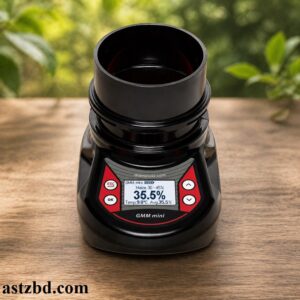
DRAMINSKI GMM mini Grain Moisture Meter — 33 Species Digital Moisture Tester with USB Update | Original Poland
39,000.00৳ Add to cart -
Sale!
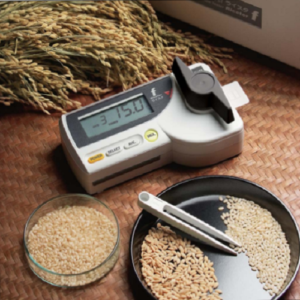
KETT FG523 Grain Moisture Meter Japan
Original price was: 50,000.00৳ .48,500.00৳ Current price is: 48,500.00৳ . Add to cart -
Sale!

KETT FV223 Grain Moisture Meter Japanese
Original price was: 57,000.00৳ .54,000.00৳ Current price is: 54,000.00৳ . Add to cart -
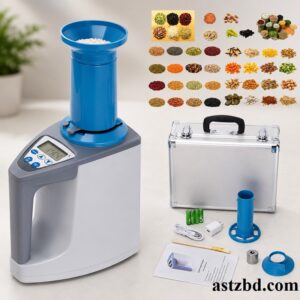
LDS-1G Grain Moisture Meter – Accurate Digital Moisture Tester for Rice, Wheat & Crops
12,000.00৳ Add to cart -
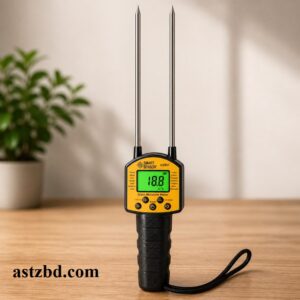
Smart Sensor AR991 Digital Grain Moisture Meter — LCD Backlight, Dual Probe, Voice Readout, 14 Grain Types Tester for Wheat, Rice, Corn & More
2,350.00৳ Add to cart

Grain Moisture Meter Price in Bangladesh 2026 — All Brands
Rice mills, grain traders, farmers, and seed storage facilities across Bangladesh all face the same challenge — knowing the exact moisture content of grain before storage, sale, or processing. Too much moisture means spoilage, mold, and losses. Too little means weight reduction and quality complaints.
A grain moisture meter solves this instantly. As of 2026, grain moisture meter price in Bangladesh ranges from approximately ৳2,350 for entry-level digital models to ৳54,000+ for professional Japanese-grade instruments like Kett. Brands available include Kett (Japan), Draminski (Poland), Smart Sensor, and LDS — covering every budget from small farmers to large rice mill operations.
Whether you need a portable paddy moisture meter BD model for field use or a professional benchtop tester for a rice mill lab, there is a right instrument at the right price in this list.
Grain Moisture Meter Price List in Bangladesh 2026
| Model | Grain Support | Accuracy | Moisture Range | Price | Buy |
|---|---|---|---|---|---|
| LDS-1G Digital Crop Tester | Rice, wheat, corn, multi-grain | ±0.5% | 7–35% | ৳12,000 | Buy Now |
| Smart Sensor AR991 | Rice, wheat, corn, barley | ±1% | 5–35% | ৳2,350 | Buy Now |
| Draminski GMM Mini (Poland) | Multi-grain, seeds | ±0.5% | 6–35% | ৳39,000 | Buy Now |
| Kett FV223 (Japan) | Rice, paddy, wheat, corn | ±0.3% | 8–30% | ৳54,000 | Buy Now |
| Kett FG523 (Japan) | Multi-grain, professional | ±0.3% | 8–30% | ৳48,500 | Buy Now |
Contact us for exact current pricing and stock availability.
Things to Know Before Buying a Grain Moisture Meter
Which Model is Best for Different Grain Types?
Not every moisture meter reads every grain accurately. Before purchasing, confirm the model supports your specific grain type.
For paddy and rice — Kett FV223 and FG523 are specifically calibrated for rice varieties common in Bangladesh, making them the most accurate choice for rice mills and paddy traders. The Smart Sensor AR991 and LDS-1G also handle rice at a lower price point.
For wheat and corn — most models in this list support wheat and corn. The Draminski GMM Mini from Poland handles the widest grain variety range and is particularly well-regarded for seed quality assessment.
For multiple grain types — the Kett FG523 and Draminski GMM Mini offer the broadest multi-grain calibration, suitable for traders and storage facilities handling mixed grain inventory.
What Accuracy Level Should You Choose?
Accuracy determines how much you can trust the reading before making a financial or storage decision.
- ±0.3% accuracy — Kett Japan models. Required for formal quality certification, grain export documentation, and rice mill lab testing where every percentage point affects pricing.
- ±0.5% accuracy — Draminski GMM Mini, LDS-1G. Suitable for professional field use, seed storage, and regular trading operations.
- ±1% accuracy — Smart Sensor AR991. Adequate for farm-level checks and general storage monitoring where approximate readings guide decisions.
For rice mills and formal grain trade in Bangladesh, ±0.5% or better is the practical minimum. For everyday farm use, ±1% is entirely workable.
What Moisture Range Do You Need?
Most grain moisture meters cover 5–35% moisture range — which handles everything from dry stored grain to freshly harvested paddy. Bangladesh’s freshly harvested aman paddy typically reads 20–28% moisture. Safe storage moisture for rice is 13–14%.
If you are testing grain at the point of harvest — buying green paddy from farmers or monitoring drying progress — confirm the meter reads above 25% reliably. All models in this list cover that range.
Which Models are Durable in Bangladesh’s Weather?
Bangladesh’s high humidity, monsoon rain, and heat put stress on electronics. For field use in these conditions, choose models with sealed housings and robust build quality.
The Kett Japan models are built to Japanese industrial standards — they survive field conditions that cheaper meters cannot. The Draminski GMM Mini from Poland also carries a robust sealed housing designed for outdoor agricultural use. For indoor rice mill and lab use, the Smart Sensor AR991 and LDS-1G perform reliably in controlled environments.
H3: Portable vs Professional — Which One Should You Buy?
Portable grain moisture meters are handheld, battery-powered, and designed for field use. You insert a grain sample, press a button, and read the result within seconds. All five models in this list are portable.
Professional benchtop meters are used in laboratory settings — larger, more precise, and connected to power. If you run a grain testing laboratory or large rice mill quality lab, a benchtop model is the right choice. Contact us for benchtop options not listed here.
For the vast majority of buyers in Bangladesh — rice mill owners, grain traders, farmers, and storage managers — a portable digital moisture meter for grain is exactly what the work requires.
Why is Calibration Important?
A grain moisture meter that reads incorrectly costs more than the price of the instrument — in wrong storage decisions, spoiled grain, and disputed transactions. Calibration ensures the meter reads accurately against a known standard.
Most professional meters come factory-calibrated. Over time — especially with heavy use — calibration drift occurs. Kett models can be returned for factory recalibration. Draminski GMM Mini includes a calibration check function built into the instrument.
What Battery Backup and Build Quality Should You Look For?
For field use in Bangladesh, look for:
- Battery life — minimum 500 tests per charge or set of batteries
- Auto power-off — extends battery life on busy sites
- Protective casing — drop-resistant housing for field durability
- Sealed grain chamber — prevents moisture contamination between samples
All Kett and Draminski models meet these standards. Budget models like LDS-1G and Smart Sensor AR991 are adequate for moderate use but require more careful handling in field conditions.
Types of Grain Moisture Meter
Portable Grain Moisture Meter
Handheld battery-powered instruments designed for fast field testing. Insert grain sample, read result, move on. The LDS-1G, Smart Sensor AR991, and Draminski GMM Mini all fall in this category. Ideal for farmers, grain buyers, and field inspectors.
Digital Grain Moisture Meter
All modern grain moisture meters are digital — they display moisture percentage directly on an LCD or LED screen, eliminating manual chart reading. Every model in this list is a digital moisture meter for grain with instant digital readout.
Benchtop Grain Moisture Meter
Larger, higher-precision instruments designed for laboratory environments. Used in rice mill quality labs and grain export certification. Not in this list but available on request — contact us for benchtop options.
Multi-Grain Moisture Tester
Instruments calibrated for multiple grain varieties — rice, wheat, corn, barley, soybean, seeds, and more. The Draminski GMM Mini and Kett FG523 offer the broadest multi-grain calibration available in Bangladesh at their price points.
Grain Moisture Meter — Frequently Asked Questions
What is the price of a Grain Moisture Meter in Bangladesh?
Grain moisture meter price in Bangladesh starts from ৳8,000 for basic digital models and goes up to ৳85,000 for professional Kett Japan instruments. The right choice depends on your grain types, accuracy requirement, and usage frequency. Contact us for the exact current price on any model.
Does a Grain Moisture Meter Work Well in Bangladesh’s Weather?
Yes — with the right model. Professional models from Kett Japan and Draminski Poland are built for humid, high-temperature agricultural environments. For field use in Bangladesh’s monsoon conditions, choose models with sealed housings. Basic budget models are best kept for indoor or controlled environment use.
How Accurate are Portable Moisture Meters?
Portable grain moisture meters range from ±0.3% (Kett Japan) to ±1% (Smart Sensor) accuracy. For commercial transactions and formal documentation, ±0.5% or better is recommended. For farm-level checking, ±1% provides adequate guidance for storage and drying decisions.
What is the Safe Moisture Level for Grains?
Safe storage moisture levels for common Bangladesh grains: paddy/rice 13–14%, wheat 12–13%, corn 13–14%, seeds 8–12%. Above these levels, fungal growth and spoilage risk increases significantly. Below these levels, grain becomes brittle and suffers quality and weight loss.
Are Paddy Moisture Meters and Grain Moisture Meters the Same?
A paddy moisture meter is a grain moisture meter specifically calibrated for paddy and rice varieties. Most general grain moisture meters include paddy calibration. Models like the Kett FV223 are specifically optimized for paddy and rice — making them more accurate for this grain than general-purpose instruments.
Where Can You Buy Original Products with Warranty?
We supply original grain moisture meters across Bangladesh with genuine manufacturer warranty, calibration certificates, and after-sales technical support. Every model listed here comes directly from authorized distribution channels — no grey market stock, no uncertified imports.
Which Brand is the Most Reliable?
For professional accuracy and long-term reliability, Kett Japan is the most trusted brand among rice mill operators and grain traders in Bangladesh. For value-for-money field performance across multiple grain types, Draminski Poland delivers exceptional reliability at a mid-range price.
Is Calibration Necessary for a Grain Moisture Meter?
Yes — particularly for commercial use. An uncalibrated meter can systematically misread moisture by 1–2%, which in a rice mill processing 100 tons per day translates directly into pricing errors and storage decisions based on wrong data. Calibration verification every 3–6 months is the professional standard for any serious grain moisture meter user in Bangladesh.
| All Models | Price |
| Smart Sensor AR991 Grain Moisture Meter | 2,350 BDT |
| LDS-1G Digital Crop Tester Grain Moisture Meter | 12,000 BDT |
| Draminski GMM Mini (Poland) Grain Moisture Meter | 39,000 BDT |
| Kett FG523 (Japan) Grain Moisture Meter | 48,500 BDT |
| Kett FV223 (Japan) Grain Moisture Meter | 54,000 BDT |